

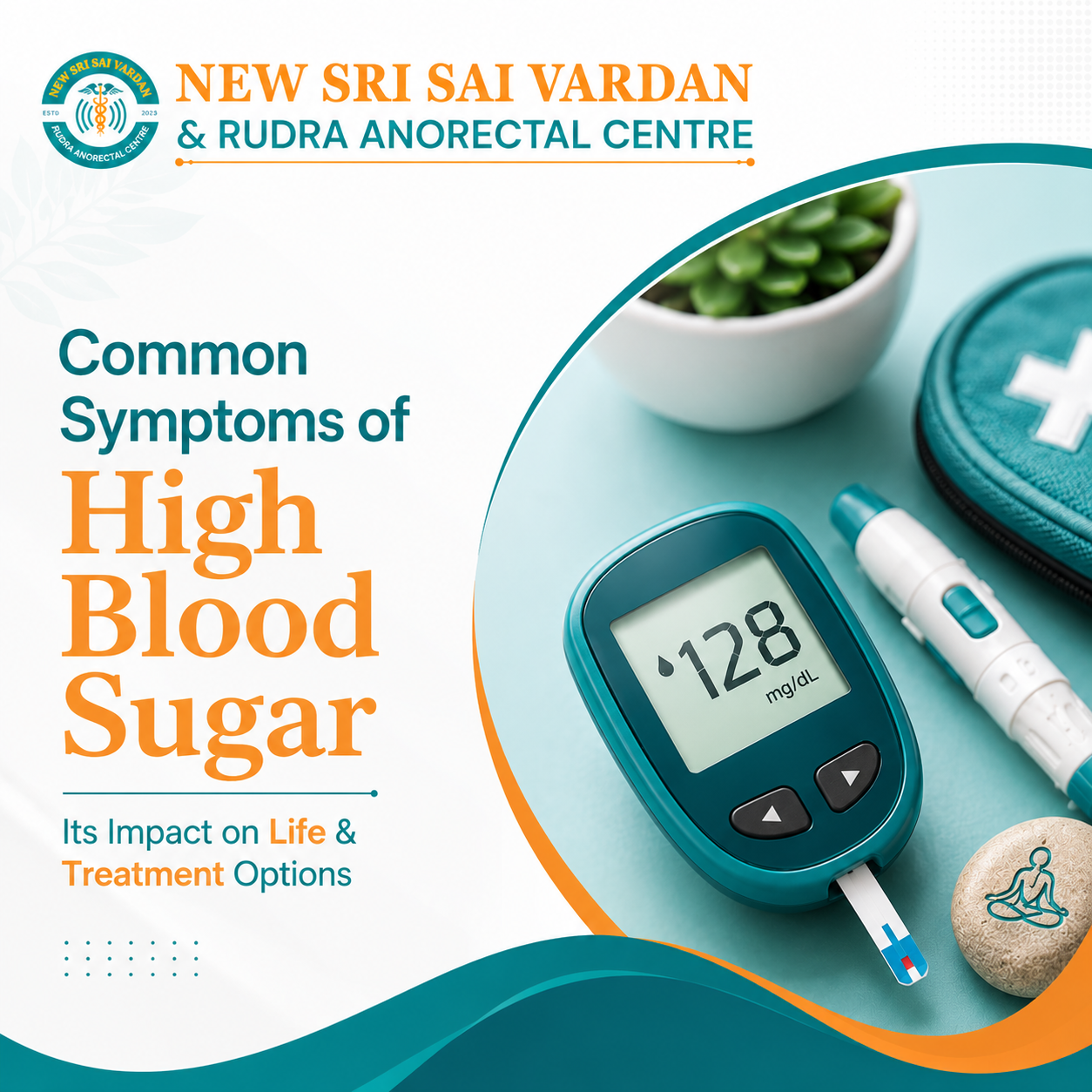
Blood sugar imbalance, especially high blood sugar (hyperglycemia), has become one of the most common health concerns today. With changing lifestyles, unhealthy eating habits, stress, and reduced physical activity, diabetes and blood sugar-related disorders are affecting people across all age groups.
The concerning part is that many people ignore the early warning signs until complications begin to affect their daily life. Timely diagnosis, proper treatment, and lifestyle management can help prevent serious health issues.
Dr. Sanjay Singh Rathore at New Sri Sai Vardan Hospital emphasizes the importance of recognizing symptoms early and seeking appropriate medical care.
Common Symptoms of High Blood Sugar
High blood sugar often develops gradually, and its symptoms may initially appear mild. Common warning signs include:
Frequent Urination
If you find yourself needing to urinate more often than usual, especially during the night, it may be a sign of elevated blood sugar levels.
Excessive Thirst
Persistent thirst despite drinking enough water can indicate the body is trying to remove excess glucose through urine.
Increased Hunger
Even after eating regular meals, feeling unusually hungry may be linked to improper glucose utilization by the body.
Unexplained Fatigue
Constant tiredness, weakness, or low energy can occur when the body cannot effectively use sugar for energy.
Blurred Vision
High blood sugar can affect the eye lens, causing temporary or persistent vision disturbances.
Slow Healing of Wounds
Cuts, bruises, or infections that take longer than usual to heal can be a warning sign.
Frequent Infections
Recurring skin infections, urinary infections, or fungal infections may indicate uncontrolled blood sugar.
Sudden Weight Loss
Unexpected weight loss without intentional dieting can occur, especially in uncontrolled diabetes.
Tingling or Numbness
A burning sensation, numbness, or tingling in the hands and feet may suggest nerve involvement due to high sugar levels.
How High Blood Sugar Affects Daily Life?
Uncontrolled blood sugar can significantly impact overall quality of life.
Reduced Energy Levels
Persistent fatigue can make routine work, exercise, and daily activities difficult.
Mental Stress
Managing symptoms, medication schedules, and health concerns can contribute to emotional stress and anxiety.
Vision Problems
Blood sugar fluctuations may affect eyesight and increase long-term eye complication risks.
Nerve Damage
Chronic uncontrolled diabetes can damage nerves, leading to pain, numbness, or reduced sensation.
Heart Health Risks
Diabetes increases the risk of high blood pressure, heart disease, and stroke.
Kidney Complications
Poor sugar control may gradually affect kidney function.
Delayed Healing
Even minor injuries can become problematic if blood sugar remains elevated.
Treatment & Medications for Blood Sugar Control
Treatment depends on the severity of diabetes, overall health, and individual medical evaluation.
Lifestyle Management
For many patients, treatment begins with:
- Balanced diabetic-friendly diet
- Regular physical activity
- Weight management
- Stress control
- Adequate sleep
- Oral Medications
Doctors may prescribe medicines that help:
- Improve insulin sensitivity
- Reduce glucose production
- Support better blood sugar regulation
- Insulin Therapy
Some patients require insulin injections for effective sugar control, particularly when oral medications are insufficient.
Regular Monitoring
Routine blood sugar checks and follow-up consultations are essential for adjusting treatment plans.
When to See a Doctor?
Seek medical evaluation if you experience:
- Persistent excessive thirst
- Frequent urination
- Sudden fatigue
- Unexplained weight loss
- Blurred vision
- Recurrent infections
Early diagnosis helps prevent long-term complications.
Expert Care at New Sri Sai Vardan Hospital
Under the guidance of Dr. Sanjay Singh Rathore, patients receive comprehensive evaluation, diabetes management support, and personalized treatment planning focused on long-term health improvement.
Final Thoughts
High blood sugar is manageable when recognized early and treated appropriately. Ignoring symptoms can lead to serious complications affecting the heart, kidneys, nerves, eyes, and overall quality of life.
If you notice warning signs of blood sugar imbalance, timely consultation can help you regain control of your health.
Take the first step toward healthier living with expert diabetes care at New Sri Sai Vardan Hospital.